What AI scribes actually changed
Ambient documentation is the rare clinical software clinicians notice in the first week. What it gives back, and what it still gets wrong.
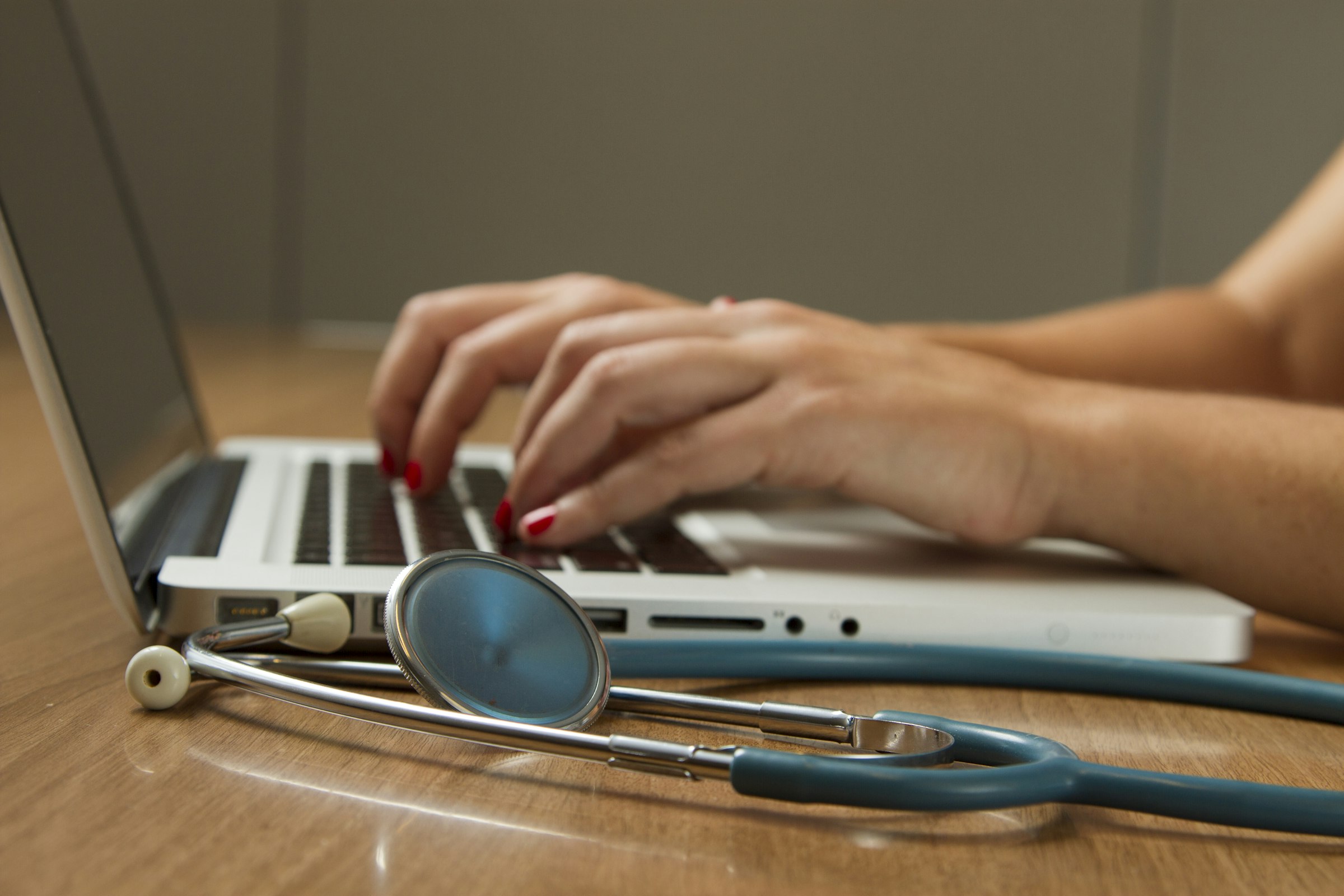
A clinician sees the last patient of the day and then starts a second shift. Unfinished notes. Charts left open. Work that follows them home and has a nickname, pajama time, which tells you how routine it became.
Ambient clinical documentation is the first software in years pointed at that problem instead of adding to it. A microphone captures the visit. A language model drafts the note. The clinician edits and signs.
The idea is old. Dictation did a version of it. Human scribes did a better one, at a price most practices could not carry. What changed is that speech models and language models got good enough together to produce a note a physician corrects in a minute rather than rewrites in ten.
“Editing is a different cognitive task than remembering, and a much cheaper one.”
Where it took hold
Primary care first, where visit volume is highest and the documentation load is heaviest. Large integrated systems followed, partly because they could negotiate enterprise terms. The Permanente Medical Group, Stanford Health Care, and the Mayo Clinic have all put ambient tools in front of thousands of clinicians.
Specialties moved slower, for reasons that hold up. A procedural visit is short and its note is mostly template, so there is less to save. Psychiatry raises a harder question, because the conversation is the treatment, and what belongs in the record is not obvious.
What it gives back
Time, mostly. Clinicians describe it the same way: leaving the building without a stack of open charts.
The quieter change is memory. The note used to be written after the fact, reconstructed from whatever the clinician could hold between patients. Now the draft exists before the visit ends. Editing is a different cognitive task than remembering, and a much cheaper one.
What it gets wrong
Drafts miss things that were said. They also add things that were not. Neither failure is exotic, and both belong to the signing clinician, legally and clinically. Some of the time saved in drafting comes back out in review.
Billing is messier. A note that describes a visit accurately is not the same as a note carrying what a payer needs to see for a given level of service. Some products bolt coding assistance on top. Some do not, and the gap lands on the practice.
The question underneath
A clinical note serves readers who want different things from it. The next clinician wants the reasoning. The patient wants plain language. The payer wants elements. The attorney wants the record. Software that drafts well for one of them can quietly underserve the rest, and nobody has settled which reader the draft should be built for.
Why this matters past the note
Healthcare has been promised AI productivity for years and mostly received it somewhere clinicians never looked. Risk models. Image triage. Decision support fired into an already crowded screen.
Ambient documentation differs in one respect that counts for more than accuracy: the person doing the work notices within a week. That changes what gets asked next. If the note can be lifted, the inbox is the obvious target, then prior authorization, then intake. The expectation has already moved.